
Staying Close to the Work: Why We Build Software In-House
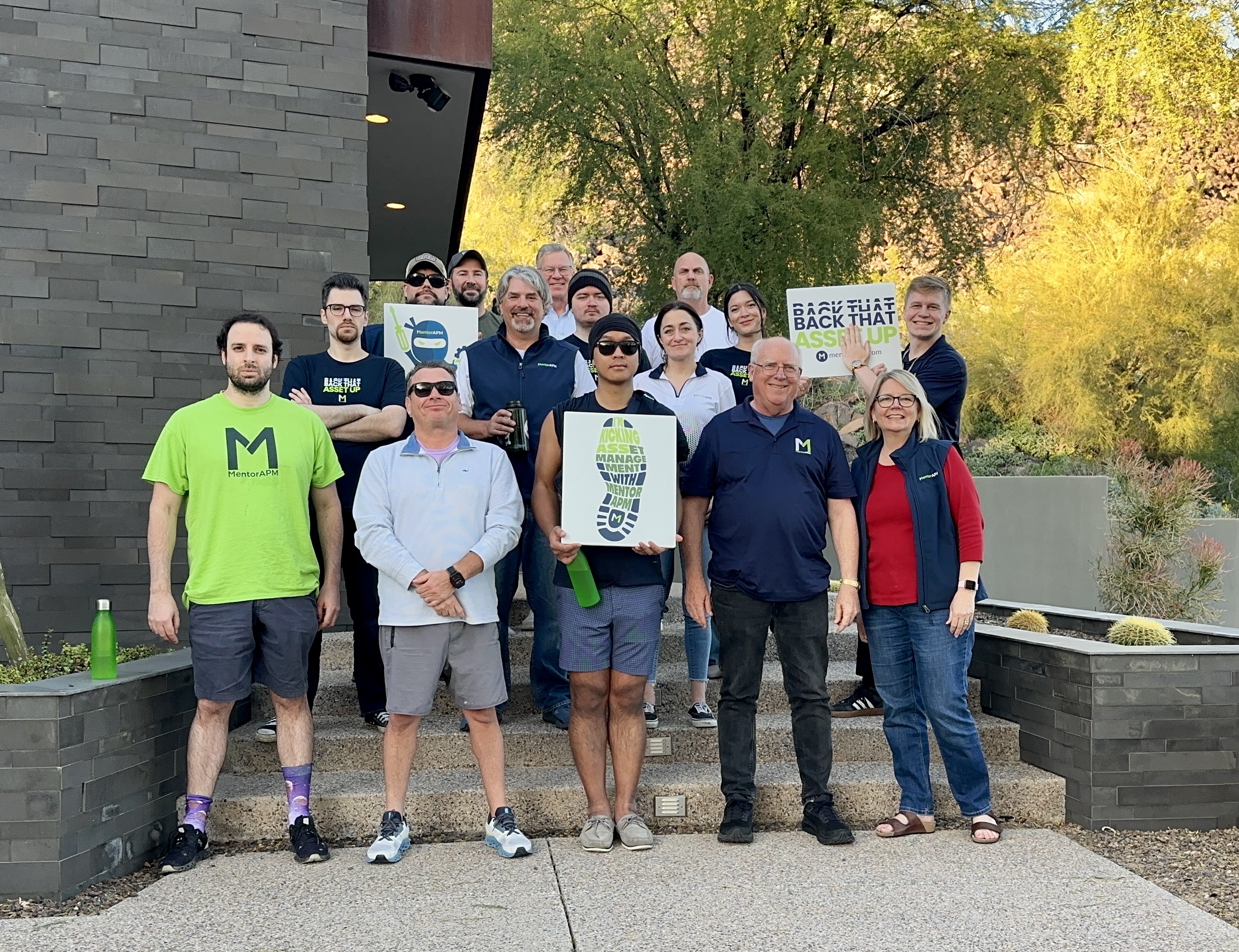
If you asked most people where their software comes from, they’d probably say something like, “Oh, the company builds it.”
And that’s partly true, but not always the full picture.
Today, most companies outsource at least some part of their development or support. It’s become pretty standard, especially in software.
And to be fair, there are good reasons for that.
But at MentorAPM, we’ve just always approached it a little differently.
We like to stay close to the work.
For us, that means our development team is entirely in-house, based here in the United States. Same goes for our support team. It’s been that way from the beginning.
But what really matters isn’t just where our team sits. It’s what they know.
A lot of the people who helped build MentorAPM came from the utility world. They’ve worked in the environments our customers operate in every day. That perspective shows up in the product in ways that are hard to replicate from the outside.
We also make a point to keep that connection strong. Our developers spend time in the field, using the same applications our customers rely on.
It’s a simple idea, but it makes a difference.
When you stay close to the work, you notice things. You understand the constraints. You build with a clearer sense of what actually matters day to day. We presently have a team of our developers working with MentorLens on site at one of our clients, building their asset register and capturing asset attributes and condition scores. This frontline experience has helped the dev team make UI and workflow improvements.
For many municipal and government organizations, there’s another important piece too—requirements around U.S.-based support, data handling, and accessibility. Knowing where your software is built - and who’s behind it - isn’t just a preference. Sometimes it’s a requirement.
We don’t talk about this as a feature.
It’s just how we’ve always worked.
Because in the end, better software comes from staying connected to the people and the work it’s built for.

Connect with Us

